
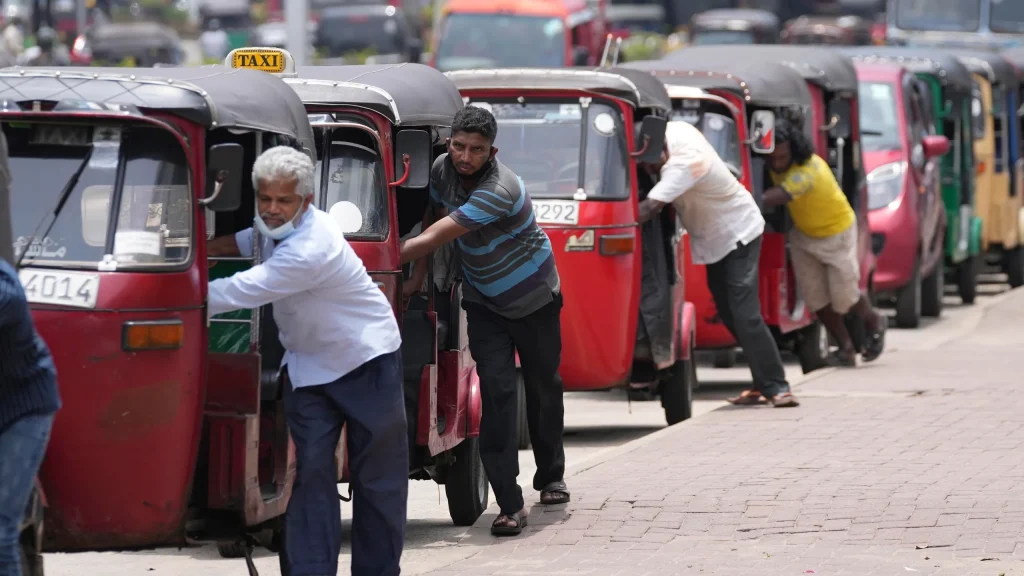
மத்திய கிழக்கில் ஏற்பட்டுள்ள யுத்த சூழ்நிலையை தொடர்ந்து முழு உலகத்திலும் எரிபொருள் தட்டுப்பாடும் அதனைத் தொடர்ந்து சங்கிலித் தொடராக பல பொருளாதார நெருக்கடிகளும் ஏற்பட்டுள்ளன. இந்த யுத்தம் இன்னும் தொடருமா இல்லையா என்ற கேள்வி ஒரு புறமிருக்க தற்போது ஏற்பட்டிருக்கும் சூழ்நிலையிலிருந்து வெளிவருவதற்கே வெகு காலம் எடுக்கலாம்.
எனவே இந்த சூழ்நிலையை எதிர்கொள்வதற்கு ஏற்றாற் போல் நாம் எம்மை தயார் செய்து கொள்வது அவசியமாகும்.
அந்த வகையில் திட்டமிடல் என்பது அவசியம் பொருளாதாரத்தையும் வாழ்வு ஒழுங்கையும் நாம் திட்டமிட்டு கொள்ள வேண்டும்.
வீண்விரயம், ஆடம்பரம்
வீண்விரயம், ஆடம்பரமான செலவுகள் அனைத்தையும் உடனடியாக நிறுத்த வேண்டும். “வீண்விரயம் செய்பவர்கள் ஷைத்தானின் சகோதரர்கள்” என குர்ஆனிலே அல்லாஹ் கூறுகின்றான். இவ்வாறு பொதுவாக வீண்விரயத்தையும் ஆடம்பரமான செலவுகளை இஸ்லாம் தடுத்திருந்தாலும் குறிப்பாக இந்த நெருக்கடியான சூழ்நிலையில் நாம் அவற்றை கண்டிப்பாகவும் உடனடியாகவும் தவிர்க்க வேண்டும்.
பெருநாளை நாம் அண்மித்துக் கொண்டிருக்கிறோம். இந்தக் காலப்பிரிவில் புத்தாடைகளுக்காகவும் பெருநாள் தினத்தன்றும் அதற்குப் பின்னரும் விதவிதமான உணவுகளுக்காக அளவுமீறிசெலவு செய்வதையும் பெருநாள் தினத்திலும் அதற்கு அடுத்த தினங்களிலும் சுற்றுப்பயணங்களை மேற்கொள்வதையும் இயலுமானவரை தவிர்க்கப்பது நல்லது. அனுமதிக்கப்பட்ட விடயங்களை கூட குறைத்துக் கொள்ள வேண்டும். கட்டாயமான பயணங்களை போயே ஆக வேண்டும் என்ற சூழ்நிலை இருந்தால் மாத்திரமே அப்பயணங்களை நாம் மேற்கொள்வதில் தப்பிருக்கமாட்டாது.
வீட்டில் மின்சார பாவனையை இயன்றவரை கட்டுப்படுத்திக் கொள்ள வேண்டும். தேவையற்ற மின் விளக்குகளை அணைத்துக் கொள்வதும் மிகவும் அவசியமென்று கருதும் மின்சார உபகரணங்களை பயன்படுத்துவதை தவிர மேலதிகமான பாவனைகளை குறைத்துக் கொள்வது நல்லது.
சொந்த வாகனங்களை வைத்திருப்பவர்கள் இயன்ற வரை அவற்றில் பயணங்களை மேற்கொள்வதை குறைத்துக் கொள்வது சிக்கனமாக அமையும். அதற்குப் பதிலாக முடிந்தவரை பொதுப் போக்குவரத்து சாதனங்களை பயன்படுத்தலாம். அல்லது துவிச் சக்கர வண்டிகளை பயன்படுத்திக் கொள்ளலாம். நடந்து போக வேண்டிய தூரங்களுக்கு கூட மோட்டார் சைக்கிள்களை பயன்படுத்துவதை தவிர்த்துக் கொள்வதும் சிக்கனத்தில் ஒரு பகுதியாகவே இருக்கும்.
சுய தொழில் முயற்சிகள்
அத்தியாவசிய உணவுப் பொருட்கள், மரக்கறி வகைகள், பழ வகைகளுக்கான விலைகள் பெரும்பாலும் அதிகரிக்கக் கூடிய வாய்ப்பு இருப்பதினால் தமது வீட்டைச் சூழ காணிகள் இருப்பவர்கள் இயன்றவரை வீட்டுத் தோட்டத்தை ஒழுங்குபடுத்தி அதில் முடியுமான தானியங்களை, பயிர் பச்சைகளை வளர்த்துக் கொள்ள முடியும்.வீடுகளில் கோழிகளை அல்லது ஆடு மாடுகளை வளர்க்க முடியுமாக இருந்தால் இறைச்சி முட்டை போன்றவற்றிற்கு மேலதிகமாக செலவு செய்வதைக் குறைத்துக் கொள்ளலாம்.
வறுமை நிலவும் இக்காலத்தில் அதிகமாக அல்லாஹ்விடத்தில் வறுமையை விட்டும் பாதுகாப்புத் தேட வேண்டும். அதேநேரம் வறுமையில் இருந்து விடுபடுவதற்கான முயற்சிகளிலும் முறையாக ஈடுபட வேண்டும். பிறரில் தங்கியிருப்பது என்ற நிலையிலிருந்து விடுபட்டு சுயமரியாதையோடு ஒவ்வொருவரும் வாழப் பழக வேண்டும். முயற்சியும் துஆவும் ஒரு சேர அமைகின்ற பொழுதுதான் அது உண்மையான ‘தவக்குல்’ ஆக மாறும்.
ஸகாத், ஸதகா
ஸகாத் வழங்குவதற்கு கடமைப்பட்ட செல்வந்தர்கள் அவற்றை ஏனைய காலங்களை விடவும் குறிப்பாக இக்கால பிரிவில் முறையாக கணித்து வழங்க வேண்டும். அவ்வாறு ஸகாத்தை பரிபூரணமாக வழங்கியும் கூட ஏழைகளது தேவைகள் பூர்த்தியாக வில்லை என்றால் ‘ஸதகாக்கள்’ மூலமாக அவற்றை நிறைவு செய்ய வேண்டும். ஸகாத், ஸதகாவின் போது உறவினர்கள், அயல்வீட்டார் மற்றும் சொந்த ஊரிலேயே வறுமைப்பட்டவர்களாக இருப்பவர்களுக்கு முன்னுரிமை வழங்குவது சாலச் சிறந்ததாகும்.
உம்ராவும் ஹஜ்ஜும்
உம்ராவுக்காக நிய்யத்து வைத்திருந்தவர்களுக்கு இந்த தடவை அது பெரும்பாலும் சாத்தியப்படவில்லை.எனவே அத்தகையவர்கள் அப்பணத்தை ஏழைகளுக்காக கொடுக்கலாம். இலங்கையில் நான்கில் ஒரு பகுதியினர் வறுமைக் கூட்டின் கீழ் வாழ்வதாக தகவல்கள் கூறுகின்றன.
கோவிட்-19 தொற்றுநோய் மற்றும் இலங்கையின் சுதந்திரத்திற்குப் பிந்திய வரலாற்றில் ஏற்பட்ட மிக மோசமான பொருளாதார நெருக்கடியின் காரணமாக 2022 இல் வறுமை வீதம் 25 சதவீதம் வரை அதிகரித்தது. இது 2019 இல் 11.3 வீதத்திலிருந்து பாரியளவில் அதிகரித்துள்ளது. நாட்டின் சனத்தொகையில் நான்கில் ஒரு பங்கினர் வறுமையில் இருக்கிறார்கள் என உலக வங்கியின் அறிக்கை கூறுகிறது.
https://www.worldbank.org/…/3-ways-to-make-social…#
மனிதர்களது அடிப்படை தேவைகளான உணவு, உடை,இல்லையிடம் ,மருத்துவம், கல்வி போன்றவற்றிற்கு செலவழிப்பதற்கு வசதியே இல்லாத பல மில்லியன் கணக்கானவர்கள் இலங்கையில் வாழ்கிறார்கள் என்பதை கவனத்தில் கொண்டு தான் இதற்குப் பிறகும் கூட உம்ராவுக்கு போகின்றவர்கள் சிந்திக்க வேண்டும்.இவ்வருடம் ஹஜ்ஜுக்காக நிய்யத்து வைத்திருப்பவர்கள் அது முதலாவது ஹஜ்ஜாக இருந்தால் பரவாயில்லை. ஆனால் இரண்டாம் மூன்றாம் அல்லது சுன்னத்தான ஹஜ்களுக்காக செல்வதை தவிர்த்து அப்பணத்தை ஏழை எளியவர்களுக்கு கொடுக்கலாம்.சுன்னத்தான ஹஜ்ஜுக்கு செல்வதனை விடவும் பல மடங்கு நன்மைகள் அதற்காக கிடைக்கும்.
யூஸுப்(அலை) அவர்களது திட்டமிடல்
எகிப்து நாட்டில் ஏழு வருடங்கள் பஞ்சம் நிலவலாம் என்று எதிர்வு கூறப்பட்ட சந்தர்ப்பத்தில் நபி யூசுப் (அலை) அவர்கள் அரசனை அணுகி இந்த சூழ்நிலையை எவ்வாறு வெற்றி கொள்ளலாம் என்பதற்கான தனது திட்டத்தை வெளிப்படுத்தினார்கள்.
அவர்கள் :
“قَالَ تَزْرَعُونَ سَبْعَ سِنِينَ دَأَبًا”
“நீங்கள் தொடர்ந்து ஏழு ஆண்டுகளுக்கு (நல்லபடியாக) விவசாயம் செய்வீர்கள்(யூசுப்: 47)
فَمَا حَصَدْتُمْ فَذَرُوهُ فِي سُنْبُلِهِ إِلَّا قَلِيلًا مِمَّا تَأْكُلُونَ”
“பிறகு நீங்கள் அறுவடை செய்த – (விளைச்ச)லில், நீங்கள் உண்பதற்கு வேண்டிய ஒரு சிறிய அளவைத்தவிர, அதனை அதற்குரிய கதிர்களிலேயே விட்டு வையுங்கள்.” (யூசுப்: 47) என்றார்.
வளமான ஆண்டுகளில் வேளாண்மை உற்பத்தியை அதிகப்படுத்திஅறுவடை செய்யப்பட்ட பயிர்களை பாதுகாப்பாக, இயற்கை சேமிப்பு முறையில் களஞ்சியப்படுத்தி வைத்திருப்பதும், பயன்பாட்டை கட்டுப்படுத்துவதும் (செலவுகளை குறைப்பதும்) எதிர்வரவிருக்கும் நெருக்கடியான காலப்பிரிவை வெற்றிகரமாக எதிர்கொள்ள உதவும் என்பது அவர்களது திட்டமாக இருந்தது.
ثُمَّ یَاْتِیْ مِنْ بَعْدِ ذٰلِكَ سَبْعٌ شِدَادٌ یَّاْكُلْنَ مَا قَدَّمْتُمْ لَهُنَّ اِلَّا قَلِیْلًا مِّمَّا تُحْصِنُوْنَ ۟
“பின்னும், அதற்கப்பால் கடினமான (பஞ்சத்தையுடை வருடங்கள்) ஏழு வரும்; நீங்கள் பஞ்சமான ஆண்டுகளுக்காக பத்திரப்படுத்தி முன்னமேயே வைத்திருப்பதில் சொற்ப (அளவை)த் தவிர மற்றதை அவை (அந்த பஞ்ச ஆண்டுகள்) தின்றுவிடும்” (யூசுப்: 48) என்றார்.
மேலும் மக்களுக்கு நம்பிக்கையூட்டும் வகையில் அவர்கள்:
“ثُمَّ يَأْتِي مِنْ بَعْدِ ذَلِكَ عَامٌ فِيهِ يُغَاثُ النَّاسُ”
“பின்னும், அதற்கப்பால் ஓராண்டு வரும், அதில் மக்களுக்கு நல்ல மழை பெய்யும்; அதில் (விளையும் கனிகளிலிருந்து) அவர்கள் பழரசங்கள் பிழிந்து (சுகமாக) இருப்பார்கள்” என்று கூறினார்(யூசுப்: 49)
இந்தத் திட்டம் நெருக்கடி முடிவடையும் என்ற நம்பிக்கையை மக்களிடம் உருவாக்கியது. அது மக்களை உழைக்கவும் பொறுமையுடன் எதிர்கொள்ளவும் ஊக்கப்படுத்தியது.
பெறப்படும் பாடங்கள்:
இந்த சம்பவம் இஸ்லாம் நெருக்கடிகளை சமாளிக்க அறிவியல் அடிப்படையிலான திட்டமிடலை (தத்பீர்) வலியுறுத்துகிறது என்பதை காட்டுகிறது. மேலும், திறமையான நிர்வாகம் என்பது தெளிவான மூலோபாய பார்வையும் நடைமுறை உண்மையையும் அடிப்படையாகக் கொண்டிருக்க வேண்டும் என்பதையும் உணர்த்துகிறது.
எனவே, தற்போதைய பொருளாதார நெருக்கடியை அல்லாஹ்வின் அருளால் வெற்றிகரமாக எதிர்கொள்ள,
- எப்போதும் பொருளாதாரத் திட்டமிடல் அவசியம்.
- உற்பத்தி முயற்சிகள் தீவிரமாக மேற்கொள்ளப்பட வேண்டும்.
- வீண்விரயம் ஆடம்பரம் தவிர்க்கப்படுவது அவசியம்.
- ஸகாத், ஸதகா என்பன முறையாக சேகரிக்கப்பட்டு விநியோகிக்கப்படுதல் வேண்டும்.
- பெற்றார், உற்றார், உறவினர்கள், அயல் விட்டாருக்கான உரிமைகள் முறையாக வழங்கப்பட வேண்டும்.
- அப்போதும் சமூகத்தின் தேவைகள் பூர்த்தி செய்யப்படாத போது தனவந்தர்களது செல்வங்களிலிருந்து எடுத்துக் கொடுக்கப்பட வேண்டும்.
- திட்டமிடல் + முயற்சி + ஸகாத் ஸதகா+ அல்லாஹ்விடம் துஆ
Fuel Crisis and Economic Planning
Due to the ongoing war situation in the Middle East, fuel shortages have emerged across the world, leading to a chain reaction of various economic crises. Whether this war will continue or not is another question, but even recovering from the current situation may take a long time.
Therefore, it is essential that we prepare ourselves to face this situation appropriately. In this regard, planning becomes necessary. We must plan both our economic activities and our way of life.
Avoiding Waste and Extravagance
All forms of wasteful spending and luxurious expenses should be stopped immediately. In the Qur’an, Allah says: “Indeed, the wasteful are brothers of the devils.” Even though Islam generally prohibits wastefulness and extravagance, in this time of crisis it becomes even more necessary for us to strictly and immediately avoid them.
We are approaching the festival of Eid. During this period, it is better to avoid excessive spending on new clothes and various types of food for the festival day and the days that follow. It would also be wise, as much as possible, to avoid leisure trips during Eid and the days after. Even permissible matters should be reduced. Travel should only be undertaken when it is absolutely necessary.
Electricity consumption at home should also be controlled as much as possible. Turning off unnecessary lights and limiting the use of electrical appliances to only what is truly essential will help reduce expenses.
Those who own private vehicles should try to reduce their travel as much as possible. Instead, public transportation should be used whenever possible. Bicycles can also be used. Avoiding the use of motorcycles even for distances that can be walked is also part of practicing frugality.
Self-Employment and Self-Sufficiency
As the prices of essential food items, vegetables, and fruits are likely to increase, those who have land around their homes should organize home gardens and cultivate grains, vegetables, and other crops as much as possible. If it is possible to raise chickens, goats, or cattle at home, it can help reduce additional expenses on meat and eggs.
During times of poverty, we should frequently seek Allah’s protection from poverty. At the same time, we must actively strive to overcome poverty through proper effort. Everyone should learn to live with self-respect and independence rather than depending on others. When effort and supplication (du‘ā) come together, it becomes true tawakkul (reliance upon Allah).
Zakat and Sadaqah
Wealthy individuals who are obligated to give Zakat should calculate and distribute it properly, especially during this period. If the needs of the poor are still not fulfilled after distributing Zakat, they should be supported through Sadaqah (voluntary charity). Priority should be given to poor relatives, neighbors, and people in one’s own locality.
Umrah and Hajj
Many people who intended to perform Umrah may not be able to do so this time. In such cases, the money set aside for it can be given to the poor. Reports indicate that about one-fourth of Sri Lanka’s population lives below the poverty line.
Due to the COVID-19 pandemic and the worst economic crisis in Sri Lanka since independence, the poverty rate rose to about 25% in 2022, compared to 11.3% in 2019. According to the World Bank, about one quarter of the country’s population lives in poverty.
Millions of people in Sri Lanka struggle to afford basic human needs such as food, clothing, shelter, healthcare, and education. Therefore, those who still plan to go for Umrah should reflect carefully. Those who intend to perform Hajj this year may proceed if it is their first Hajj. However, if it is a second, third, or voluntary Hajj, it would be better to give that money to the poor. The reward for helping the needy can be many times greater than performing additional Hajj.
The Planning of Prophet Yusuf (Joseph)
When it was predicted that Egypt would face seven years of famine, Prophet Yusuf (peace be upon him) approached the king and presented his plan on how to overcome the crisis.
He said:
“You will cultivate continuously for seven years.” (Qur’an 12:47)
“Whatever you harvest, leave it in its ears, except for a little which you eat.” (Qur’an 12:47)
His plan was to increase agricultural production during the years of abundance and preserve the harvested crops using natural storage methods, while also controlling consumption (reducing expenditure). This would help the country face the difficult years ahead.
He further said:
“Then after that will come seven hard years which will consume what you stored for them, except for a little which you have safeguarded.” (Qur’an 12:48)
He also gave hope to the people by saying:
“Then after that will come a year in which people will receive rain and they will press (wine and oil).” (Qur’an 12:49)
This plan created hope among the people that the crisis would eventually end. It encouraged them to work hard and face the situation with patience.
Lessons to Be Learned
This incident shows that Islam emphasizes scientific and strategic planning (tadbīr) in dealing with crises. It also highlights that effective administration must be based on a clear strategic vision and practical realities.
Therefore, to successfully overcome the current economic crisis with the help of Allah:
- Economic planning is always necessary.
- Production efforts must be intensified.
- Wastefulness and extravagance must be avoided.
- Zakat and Sadaqah must be properly collected and distributed.
- The rights of parents, relatives, and neighbors must be fulfilled.
- If the needs of society are still unmet, wealth should be taken from the rich to support the needy.
- Planning + effort + Zakat & Sadaqah + supplication to Allah are essential.


