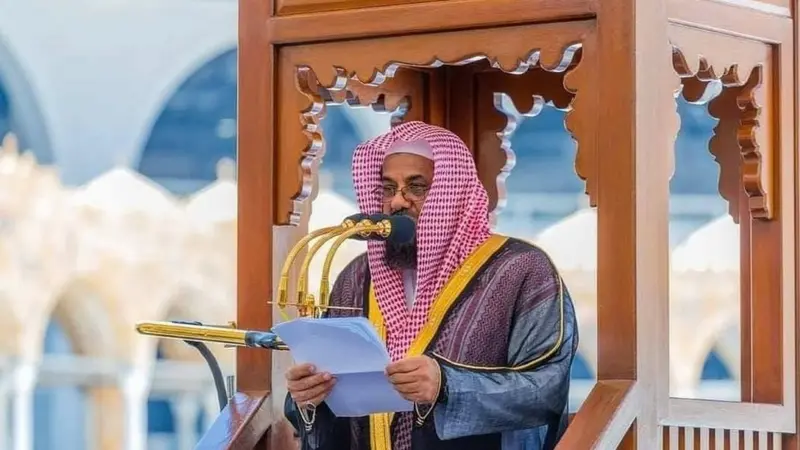
Sheikh S.H.M. Faleel (Naleemi)
Scholars and educators can use opportunities like sermons, lectures, speeches, and discussions to offer suitable guidance to the community. In such critical times, it’s the responsibility and duty of the community’s leaders to enlighten the Muslim society on moral conduct, the significance of voting, and the qualities of an ideal candidate. The following are some suggestions on this topic:
Currently, politics and politicians are deeply linked to human life. Politics determines all areas, including a country’s economy, education, employment, human rights, and inter-ethnic relations. Politicians, media, and religious leaders play a significant role in shaping the attitudes and perspectives of the people, though the politicians usually hold the most influence, causing the other two groups to align closely with them. Thus, it is crucial for Muslims to think carefully about politics and make sound decisions regarding it. This falls within the duty to “enjoin good and forbid evil.”
Involvement in politics, whether as individuals or as a Muslim community, is not just permissible but also a responsibility and an act of worship. Prophets like Dawood, Sulaiman, Musa, Ibrahim, and Yusuf (peace be upon them) were involved in politics. Allah mentions in Surah Kahf that Dhul-Qarnain was a great ruler. The Prophet (PBUH) and the four caliphs also participated in politics. Positions like Caliph, governor, and judge are politically related roles. For this reason, it is wrong to dismiss politics as something of the world or as unclean; instead, we can engage in it and improve it.
Voting to place those who are expected to establish good governance and societal harmony in power is a religious duty. In situations where an inappropriate leader may be chosen, it becomes an obligation to vote to prevent evil. Abstaining from voting for a suitable candidate is considered a sin. Voting is a form of testimony, and Allah says, “When witnesses are summoned, let them not refuse,” and “Do not conceal testimony; whoever conceals it has a sinful heart” (Quran 2:282-283). Voting for a corrupt leader is equivalent to giving false testimony, which the Prophet (PBUH) described as a major sin. Likewise, abstaining from voting and casting a vote for an unsuitable candidate are equally sinful. Imam Ibn Abbas (RA) explained that concealing testimony is as sinful as giving false testimony.
Especially during elections and generally at all times, Muslims must avoid participating in any crimes with their words or actions. We should not use offensive or inappropriate language against candidates we dislike, nor should we exaggerate praise for candidates we support. Meaningless arguments, conflicts, and violent acts can impact a believer’s faith.
It is essential to consult with individuals who possess wisdom, experience, social awareness, and fear of Allah before deciding on a suitable candidate. Only a candidate with a sincere interest in the well-being of the Muslim community and the genuine desire to build the nation on the basis of good governance should be voted for. Choosing someone likely to incite hatred, cause conflicts, exploit the nation, or disregard people’s opinions is sinful. Along with understanding the opinions of important figures in society, Muslims should carefully observe the statements made by candidates and their supporting parties in the media.
Voting based on personal benefits like receiving favors or expecting protection for one’s errors is purely self-serving and unjust. Instead, we should elect candidates who will treat all citizens equally and contribute to the economic prosperity of everyone in the country, regardless of ethnicity or religion.
In times of crisis, like elections, seeking Allah’s help is an essential practice. We should pray that only deserving candidates win and that undeserving ones face defeat.
After elections, maintaining composure is also essential. Victory and defeat are part of worldly life, and a Muslim’s virtue is to accept Allah’s decision with patience and satisfaction. If our expectations are met, we praise Allah; if things don’t go as planned, we remain patient. The Prophet (PBUH) said, “The matter of a believer is amazing. When he is touched by happiness, he is grateful; when he is afflicted by difficulty, he remains patient.” Therefore, patience is necessary if election results turn out unexpectedly. May Allah protect us from the adverse outcomes!
In this way, scholars, intellectuals, and social activists should not only guide people toward good deeds but also help prevent involvement in wrongful acts. Alongside, they should nurture hope for the future, emphasizing that only through thinking and living on an Islamic foundation can success be achieved in both worlds.
May Allah grant a bright future to our nation and society!